
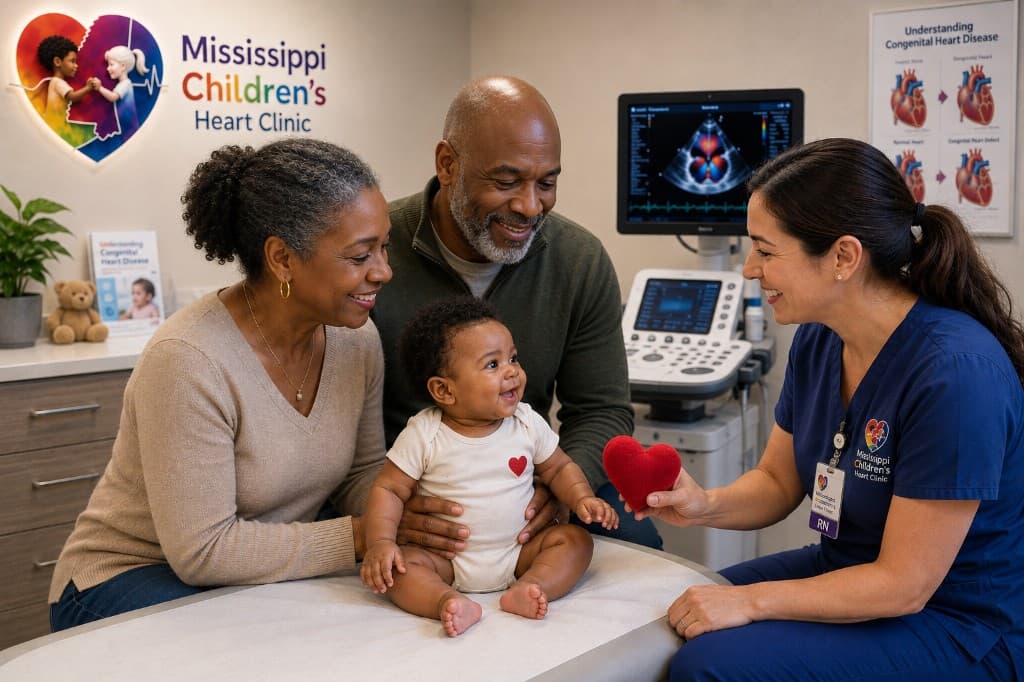
Many children born with congenital heart disease now grow up to live active, fulfilling lives. Advances in surgery and medical care have transformed outcomes for countless children and families.
But if my child feels fine now, do we still need follow-up visits? In many cases, the answer is yes. Because even when everything seems stable, congenital heart disease often requires ongoing monitoring as your child grows.
Feeling Well Doesn't Always Mean the Heart Has Stopped Changing
Children grow quickly, and so do their hearts. Repaired or monitored heart conditions can evolve in ways that aren't always noticeable. Regular follow-up helps us detect changes early — often long before symptoms appear.
The goal isn't to create worry. It's to stay ahead of problems and support long-term heart health.
Even After Surgery, Follow-Up Still Matters
Surgery can make a tremendous difference, but many heart conditions still need lifelong surveillance. Valves, blood vessels, heart rhythm, and heart muscle function can all change over time.
Most visits are reassuring — and that's something every family deserves to hear.
Follow-Up Supports the Whole Child
Appointments aren't just about tests — they're about your child's growth, activities, school, sports, puberty, and future. We help you navigate every stage with confidence and clarity.
We also help answer the questions that come up along the way: Can my child try out for the team? Do they need antibiotics before dental work? What does this echo finding really mean?
Teenagers and Young Adults Need Continued Care Too
Feeling healthy can lead teens to skip appointments. But this is often the time when guidance is most important. We help patients transition to adult care with a clear understanding of their heart and future needs.
Adolescence brings new considerations — sports, driving, relationships, travel, and eventually pregnancy planning. These conversations matter, and they're best had with a cardiologist who knows your child's full history.
Every Child's Journey Is Different
Some conditions are mild. Others are complex. That's why individualized follow-up plans are so important. We tailor care to your child's condition, lifestyle, and stage of life.
The goal is reassurance, confidence, and long-term health. Follow-up care is about more than finding problems. It's about reassurance, support, and giving your child the best possible future — today and always.