Over the past several decades, pediatricians across the United States have seen a steady rise in high blood pressure among children and teenagers. Experts estimate that up to one in every twenty children have hypertension, and the number is even higher among adolescents and children with obesity. “Elevated blood pressure” (which is not yet in the hypertension range) affects many more.
Here in Mississippi, where childhood obesity remains among the highest in the nation, we are seeing this trend firsthand. At Mississippi Children’s Heart Clinic, referrals for elevated blood pressure have become increasingly common, and many parents are surprised to learn that high blood pressure can affect even otherwise healthy-looking children.
The good news is that, when recognized early, it is often very manageable.
“But My Child Feels Fine.” This is probably the sentence I hear most often. And it is true. Most children with high blood pressure feel completely normal. They run, play sports, go to school, and keep up with their friends. Unlike many childhood illnesses, high blood pressure usually does not announce itself with obvious symptoms. That is one reason routine well-child visits are so important. A simple blood pressure measurement can identify a problem long before it begins affecting the heart or other organs.

Occasionally, children may experience symptoms such as:
- Frequent headaches
- Dizziness
- Blurred vision
- Chest pain
- Unexplained fatigue
- Nosebleeds
However, many children with these symptoms do not have hypertension, and many children with hypertension have none of these symptoms at all.
Why Would a Child Develop High Blood Pressure?
There isn’t always one single reason. For some children, excess weight is an important factor. Others have a strong family history of hypertension. Certain kidney diseases, endocrine conditions, heart abnormalities, medications, or even sleep disorders can also contribute. Sometimes, despite a thorough evaluation, we never identify one specific cause. That is why every child deserves an individualized assessment rather than assuming all high blood pressure has the same explanation.
One High Reading Doesn’t Mean Your Child Has Hypertension
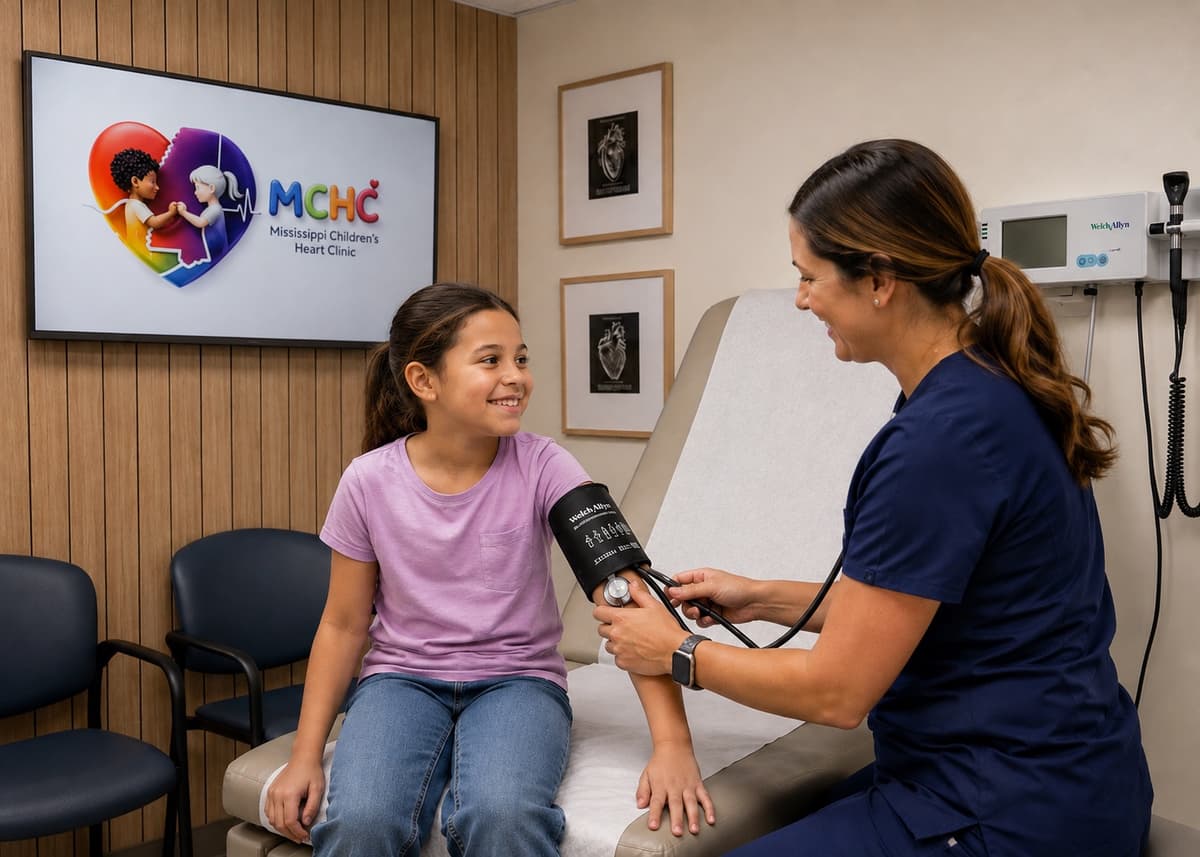
This is something parents often find reassuring. Children get nervous. Some have been crying in the waiting room. Others have just rushed down the hallway or are anxious about getting a vaccine. All these situations can temporarily raise blood pressure. For that reason, we almost never diagnose hypertension from a single reading. Instead, we repeat the measurement carefully and, if necessary, monitor blood pressure over several visits before deciding whether it is truly elevated.
Blood pressure in children is also different from adults. Rather than using one number for everyone, we compare each child’s blood pressure with what’s normal for their age, height, and sex.
Why Do We Take High Blood Pressure Seriously?
Because the heart notices it, even when a child does not. Imagine asking your heart to push against extra resistance every minute of every day. Over time, the heart muscle can become thicker as it works harder to pump blood. Fortunately, children are incredibly resilient. When hypertension is identified early and treated appropriately, we can often prevent long-term complications and help children maintain healthy hearts into adulthood.
What Happens If Your Child Is Referred to a Pediatric Cardiologist?
Many parents worry that a referral means something is seriously wrong. Most of the time, that is not the case. Our job is to answer three important questions:
- 1.Is your child’s blood pressure truly high?
- 2.Is there an underlying cause?
- 3.Has it affected the heart?
To answer these questions, we may perform:
- A detailed medical and family history
- A careful physical examination
- Repeat blood pressure measurements
- An electrocardiogram (ECG)
- An echocardiogram (ultrasound of the heart)
- Laboratory testing when appropriate
Not every child needs every test. We tailor the evaluation to each patient.
Can High Blood Pressure Be Treated?
Absolutely. For many children, treatment starts with healthy habits rather than medication. That may include becoming more physically active, eating a balanced diet, reducing excess sodium, maintaining a healthy weight, and getting enough sleep.
For some children (especially those with significantly elevated blood pressure, underlying medical conditions, or evidence that the heart is being affected) medication may also be necessary. The goal is not simply to lower a number. The goal is protecting your child’s heart for years to come.
When Should Parents Be Concerned?
You should discuss a pediatric cardiology evaluation with your child’s healthcare provider if:
- Blood pressure has been elevated at more than one visit.
- Your child has Stage 2 hypertension.
- There is a strong family history of early heart disease or hypertension.
- Your child has kidney disease, or another medical condition associated with hypertension.
- An ECG suggests changes related to high blood pressure.
- Your child experiences symptoms such as chest pain, fainting, or unexplained dizziness along with elevated blood pressure.
One Final Thought
One of the most rewarding parts of my job is reassuring families. Many parents arrive worried that a high blood pressure reading means their child has a serious heart problem. In reality, most children do very well once we determine the cause and create an appropriate treatment plan. If your child’s pediatrician has mentioned elevated blood pressure, do not panic, but do not ignore it either. Early evaluation can provide answers, peace of mind, and, when needed, treatment that helps protect your child’s heart for a lifetime.
At Mississippi Children’s Heart Clinic, we are committed to partnering with families across Mississippi to help every child achieve lifelong heart health.